Can Cryotherapy Help With Menopause Symptoms?

Menopause has a way of changing the rules without much warning. A woman who has slept well for decades may suddenly wake at 2:13 a.m., drenched in sweat, heart racing, then spend the next day trying to function through fatigue, brain fog, and an odd sense that her own body has become less predictable. Others notice joint aches they never used to have, a sharper stress response, or a mood that feels less steady than it once did. Because these changes can be stubborn and highly individual, many women start looking beyond standard lifestyle advice and ask whether newer recovery tools might help. Cryotherapy is one of the options that keeps coming up.
It is easy to see the appeal. Menopause symptoms can feel inflammatory, draining, and hard to control. Cryotherapy promises a brisk, body-wide reset: a few minutes of extreme cold exposure, often in a supervised setting, with claims of reduced pain, improved mood, and better recovery. Those benefits overlap with several complaints women report during the menopause transition. The harder question is whether that overlap reflects real symptom relief, wishful marketing, or a little of both.
The honest answer sits somewhere in the middle. Cryotherapy may help some women with certain menopause-related symptoms, particularly body aches, sleep disruption linked to discomfort, and mood or energy changes tied to stress and recovery. It is far less established as a direct treatment for the hormonal drivers of menopause itself. That distinction matters.
What cryotherapy actually is
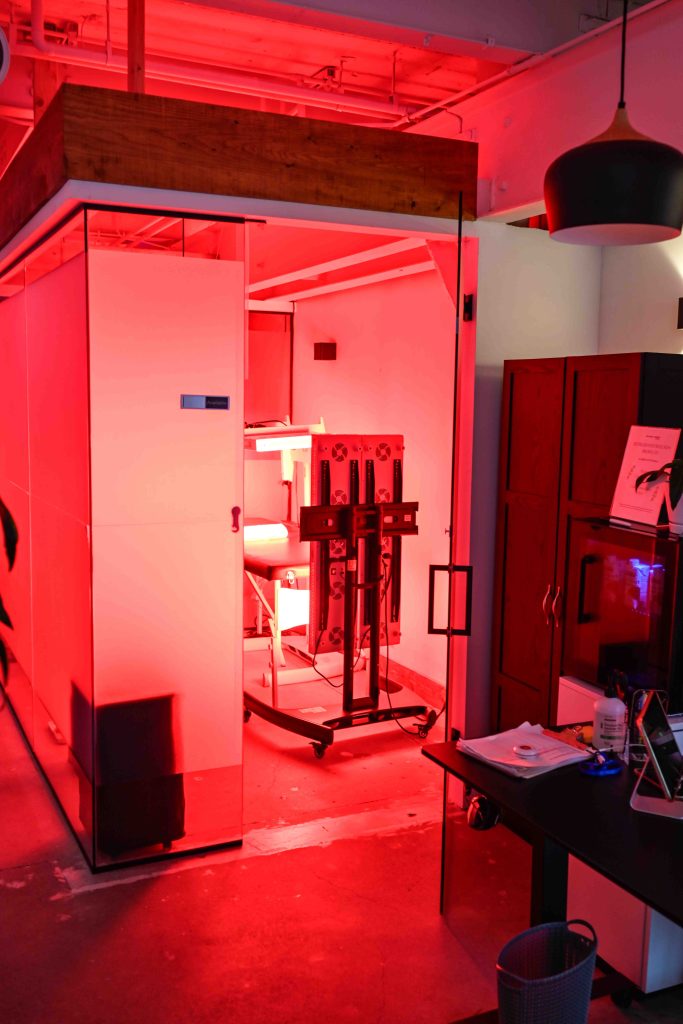
Cryotherapy is a broad term. In everyday conversation, people often mean whole-body cryotherapy, where someone stands in a chamber or enclosed booth for a short period, usually two to four minutes, while the skin is exposed to extremely cold air. Temperatures in commercial settings are often advertised anywhere from roughly minus 100 to minus 140 degrees Celsius, depending on the system. Local cryotherapy is different. That involves targeted cold exposure to one area, such as a knee, shoulder, neck, or lower back.
The basic idea is not mysterious. Cold exposure narrows blood vessels at the surface, affects nerve signaling, changes how the body perceives pain, and can alter the stress response. Many people already use simpler forms of cold therapy, such as ice packs or cold-water immersion after exercise. Whole-body cryotherapy is essentially a more intense, more controlled, more expensive version of that concept, with a wellness industry built around it.
For menopausal women, the relevant question is not whether cold can change physiology. It clearly can. The question is whether those changes translate into meaningful relief for symptoms like hot flashes, night sweats, poor sleep, low mood, muscle soreness, and joint pain, and whether the effect lasts beyond the immediate session.
Where it may help most: aches, stiffness, and the “everything hurts more now” phase
One of the least glamorous but most common complaints in perimenopause and menopause is a rise in musculoskeletal pain. Women often describe waking up stiffer, recovering more slowly from exercise, or feeling a background level of soreness in the hips, shoulders, hands, or lower back. Hormonal shifts, especially falling estrogen, likely play a role. Estrogen influences inflammation, connective tissue, and pain sensitivity. Sleep loss also lowers pain tolerance, which can make ordinary discomfort feel louder.
This is the area where cryotherapy makes the most practical sense.
Cold has a long track record in pain management. It can blunt nerve conduction, reduce swelling in some contexts, and create a temporary analgesic effect. In real-world use, many people report that they feel looser, less achy, or more mobile after a cryotherapy session. For a woman whose menopause symptoms include body pain, that can be valuable even if the effect is temporary. A better afternoon because your knees hurt less is still a better afternoon.
I have heard versions of the same story from women who try it after feeling dismissed by generic wellness advice. One woman in her early fifties described her issue not as dramatic pain but as “relentless creakiness.” She was still exercising, still working, still doing all the things she was told would help, but she felt as if her recovery capacity had shrunk. Cryotherapy did not erase her symptoms, but it gave her a few hours, sometimes a day, of feeling more comfortable in her body. For her, that was enough to make it worthwhile once or twice a week during rough patches.
That kind of response is plausible. It is also important to keep expectations in proportion. If joint pain is severe, new, or associated with swelling, weakness, or loss of function, menopause should not become a catch-all explanation. Osteoarthritis, autoimmune disease, tendon problems, and thyroid issues can all show up around midlife. Cryotherapy might soothe symptoms, but it should not replace proper assessment.
Hot flashes and night sweats: promising in theory, murkier in practice
At first glance, cryotherapy seems tailor-made for hot flashes. Menopause leaves many women feeling overheated, especially at night. A controlled blast of cold sounds like the obvious antidote. Yet symptom relief is not that straightforward.
Hot flashes are driven by hormonal changes that affect the brain’s temperature regulation, particularly the narrowing of the thermoneutral zone. In practical terms, the body becomes much more reactive to small shifts in temperature. You do not just feel warm, you suddenly feel intensely hot, flushed, and sweaty because the internal thermostat has become more sensitive.
Cryotherapy cools the body acutely, but it does not correct the underlying hormonal trigger. Some women say they feel noticeably better after a session, especially if heat intolerance is part of the picture. They may experience a sense of reset, less facial flushing for a time, or a general improvement in comfort. Others find the effect short-lived or irrelevant to their actual hot flashes.
This is where experience matters more than hype. If your main menopause complaint is classic vasomotor symptoms, cryotherapy is unlikely to be the treatment that moves the needle most. Hormone therapy, when appropriate, remains the most effective treatment for hot flashes and night sweats. Nonhormonal medications, paced lifestyle adjustments, temperature management, and sleep-focused strategies also have stronger practical footing. Cryotherapy might be a supportive tool, but it should not be sold as a direct substitute.
Sleep, stress, and the strange chemistry of feeling wrung out
Poor sleep is one of the most destabilizing aspects of menopause. Once sleep fragments, everything else tends to worsen. Pain feels sharper. Mood grows thinner. Cravings intensify. Exercise gets harder to sustain. Women who say they no longer feel like themselves are often describing the cumulative effect of chronic sleep disruption.
Cryotherapy may help here, but usually indirectly.
Some people report deeper sleep after sessions, especially when pain or evening tension is part of what keeps them awake. The cold exposure itself can feel invigorating at the time, followed later by a drop into relaxation. There is also the psychological component. Any structured routine that gives someone a sense of agency over their symptoms can ease stress, and lower stress often supports better sleep.
Still, the results are mixed. A woman who is waking repeatedly from intense night sweats may not notice much benefit from cryotherapy unless the treatment is also reducing pain, anxiety, or a sense of physical overstimulation. If poor sleep stems from sleep apnea, restless legs, heavy alcohol use, or untreated depression, cold exposure will not solve the core problem.
The women most likely to notice sleep benefits are often those whose complaints cluster together: mild mood strain, exercise-related soreness, high stress, and suboptimal sleep rather than severe vasomotor instability alone.
Mood, brain fog, and the appeal of a fast reset
Menopause can produce a subtle but significant shift in emotional resilience. Some women become more anxious. Others report lower motivation, a flatter mood, or a sense that everyday stress hits harder than it used to. Brain fog also enters the picture, often worsened by poor sleep and fluctuating estrogen.
Cryotherapy is sometimes promoted for mood and mental clarity because cold exposure can activate the sympathetic nervous system and trigger a release of catecholamines, chemicals involved in alertness and energy. Many people come out of a session feeling more awake, sharper, even mildly euphoric. That is a real experience for some users, and it helps explain why cold exposure has gained traction beyond sports recovery.
For menopausal women, this can be useful, but again the effect is best viewed as supportive rather than curative. A short-term boost in alertness is not the same as treatment for depression, anxiety, or cognitive symptoms linked to sleep loss and hormonal change. There is value in temporary relief, especially when days feel heavy, but it is sensible to treat those benefits as one piece of a broader plan.
I have seen women respond very differently here. One treats her weekly session almost like a nervous system reset. She says it clears the “cotton wool” feeling from her head long https://www.google.com/maps?cid=5486411973413264654 enough to get through a demanding workday. Another found the intense cold stressful rather than energizing and never went back after two tries. That range of response is typical. Cryotherapy is not universally soothing. For some, it feels empowering. For others, it feels like one more demand on an already overloaded system.
What the evidence actually supports
The scientific literature on cryotherapy is far stronger for general pain, recovery, and athletic soreness than it is for menopause specifically. That gap matters. It means the conversation should stay grounded.
There are plausible reasons cryotherapy could help some menopause symptoms. Cold exposure can reduce perceived pain, influence inflammation-related pathways, improve subjective recovery, and affect mood or energy in the short term. Since many menopause symptoms overlap with these domains, some women may feel better with regular use.
What we do not have is strong, menopause-specific evidence showing that cryotherapy reliably reduces hot flashes, night sweats, vaginal dryness, or the hormonal transition itself. If a clinic implies otherwise, that is a red flag. Wellness marketing often leaps from “helps some people feel better” to “treats menopause,” and those are not the same claim.
A sensible reading of the evidence is this: cryotherapy may improve the side effects and downstream burdens that cluster around menopause, especially pain, fatigue, and perceived stress, but it should not be presented as a primary treatment for the endocrine changes driving menopause symptoms.
Safety deserves more attention than it gets
Cryotherapy is often marketed as quick and low effort, which can make it seem almost trivial. It is not trivial. Extreme cold exposure creates real physiological stress. Most healthy people tolerate it well in a reputable facility, but not everyone is a good candidate.
Women with uncontrolled high blood pressure, significant cardiovascular disease, certain circulation problems, cold-triggered conditions such as Raynaud’s phenomenon, cold urticaria, or neuropathy need to be especially cautious. Diabetes can also complicate sensation and circulation. If you cannot reliably feel cold or pain in your feet or hands, you should not assume a chamber session is harmless.
The quality of the facility matters as much as the therapy itself. Proper screening, clear instructions, dry clothing and socks, skin protection, session limits, and trained staff are basic requirements, not luxuries. A rushed environment that treats cryotherapy like a novelty booth is not the place to experiment if you are already dealing with sleep loss, palpitations, dizziness, or blood pressure swings related to menopause.
A practical way to think about safety is to ask a few plain questions before booking:
- Do they screen for blood pressure, circulation issues, and cold sensitivity?
- Are sessions supervised the entire time by trained staff?
- Do they explain the difference between normal discomfort and warning signs?
- Is the equipment reputable and well maintained?
- Have you discussed it with a clinician if you have heart, nerve, or vascular conditions?
If those answers are vague, keep your money.
The trade-offs most women should consider
Cryotherapy sits in an interesting spot. It is more intensive than putting an ice pack on sore joints, but much less established than medical treatment for menopause. That does not make it frivolous. It just means its value depends on the problem you are trying to solve.
If your main complaint is severe hot flashes, cryotherapy is probably not the best first move. If your biggest issue is soreness, sluggish recovery, stress, and feeling inflamed or depleted, it may be more relevant. Cost also matters. Many women try it because they are desperate for relief, then quietly stop because the benefit does not justify the ongoing expense. Others build it into a broader self-care routine and feel it earns its place.
The timing of symptoms matters too. Perimenopause can be messy and irregular, with some weeks far worse than others. A woman in that stage might use cryotherapy intermittently during bad stretches rather than as a permanent routine. Someone who is years past her final period and dealing more with joint pain and sleep disturbance than vasomotor symptoms may find more consistent value.
How to judge whether it is helping
One reason wellness treatments can be hard to evaluate is that women often try several things at once. They start magnesium, cut back on wine, begin hormone therapy, switch gyms, and book cryotherapy in the same two-week window. If they feel better, it becomes impossible to know what drove the change.
A better approach is to track a few symptoms with some discipline. You do not need a complicated spreadsheet. Just note your hot flashes, night sweats, joint pain, sleep quality, and daytime energy for a couple of weeks before trying cryotherapy, then compare. Menopause symptoms naturally fluctuate, so a single great day means very little. Patterns over a month tell you more.
The most useful signs are concrete. Are you waking fewer times from discomfort? Do your hands hurt less in the morning? Are you recovering from exercise with less stiffness? Is your mood better for several hours or into the next day? If the answer is yes, and the treatment is affordable and safe for you, that may be enough reason to continue. If the answer is no, there is no prize for sticking with a trendy therapy that does not move the needle.
Where cryotherapy fits alongside established menopause care
Cryotherapy makes the most sense as an adjunct, not a replacement. Menopause care works best when it addresses the actual pattern of symptoms rather than chasing a single magic bullet.
For some women, hormone therapy will do the heavy lifting by reducing hot flashes, improving sleep, and calming the internal volatility that makes the whole transition feel harder. For others, hormone therapy is not appropriate or not desired, and symptom management leans more heavily on exercise, nutrition, cooling strategies, sleep treatment, and selective use of nonhormonal medication. Cryotherapy may fit somewhere in that middle space, particularly when physical discomfort and recovery issues are prominent.
It can pair well with strength training, which becomes more important in midlife for bone density, muscle mass, and metabolic health. Women who train consistently but feel unusually sore or stiff sometimes find that cold exposure makes the routine easier to sustain. That is not a small benefit. Adherence matters more than theory. A wellness practice that helps someone keep moving can have knock-on effects well beyond the chamber.
At the same time, it should not distract from larger issues. If a woman is having heavy bleeding in perimenopause, new depression, chest symptoms, severe insomnia, or rapidly worsening pain, she needs assessment, not just recovery treatments.
A realistic bottom line
Cryotherapy can help some women with menopause symptoms, but mostly by easing the collateral damage around menopause rather than correcting menopause itself. Its strongest case is for pain, stiffness, exercise recovery, and perhaps short-term improvements in stress, energy, or sleep quality. Its weakest case is as a direct treatment for the hallmark hormonal symptoms, especially hot flashes and night sweats.
That does not make it useless. Relief does not have to be universal or permanent to be meaningful. Midlife health often improves through accumulation, not miracles. Better sleep by 15 percent, less soreness after a workout, a calmer nervous system on a hard week, those gains count. But they count most when women understand what they are buying.
If you are curious about cryotherapy, approach it with the same standard you would apply to any other menopause support: clear goals, realistic expectations, attention to safety, and enough self-observation to know whether it is truly helping. For the right person, it can be a useful tool. It is just not the whole toolbox.
SDBody Mission Hills
Address: 1747 Hancock St Ste C, San Diego, CA 92101
Phone number: +16197720252
FAQ About Cryotherapy
What does cryotherapy do for your body?
Cryotherapy exposes the body to extremely cold temperatures for a few minutes to trigger natural healing and recovery responses.
What are the negatives of cryotherapy?
The primary negatives of cryotherapy include skin burns, frostbite, temporary nerve irritation, and temporary spikes in blood pressure caused by extreme cold.
How much does cryotherapy typically cost?
A single session of non-medical cryotherapy typically costs between $40 and $100. However, prices vary significantly depending on the specific type of treatment, your location, and whether you purchase a membership or package.